The Baby Bundle
A trimesterly administered collection of resources for expecting mothers
Service Design
User Research

Research & insights
We interviewed a postpartum doula, pediatric occupational therapist, OB/GYN nursing professor, a new mom, and an experienced mom to understand where support breaks down during pregnancy and postpartum.


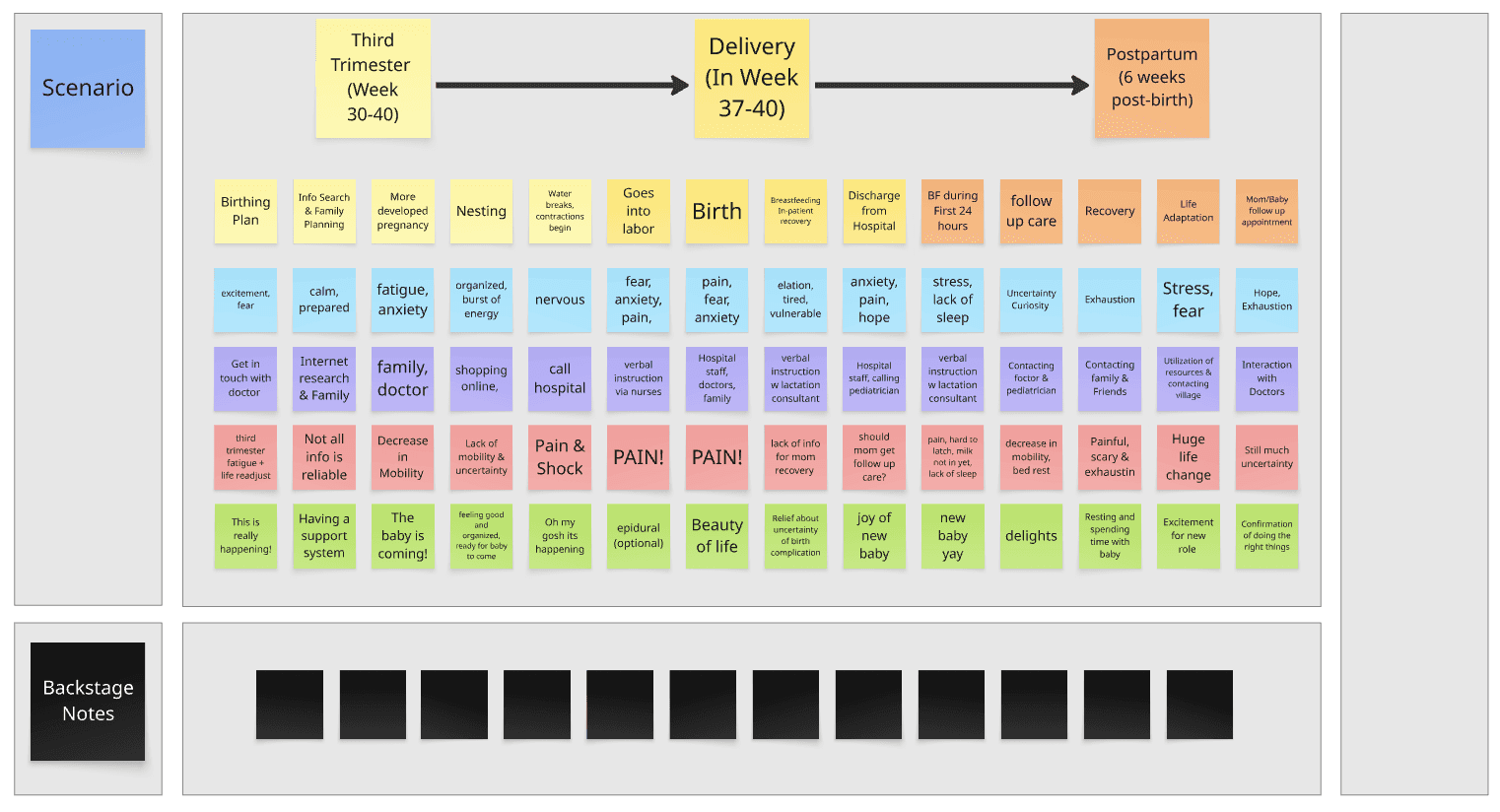
Three themes stood out:
“I didn’t know what to ask and when.” - new mom
As we mapped the pregnancy journey, we initially narrowed our scope to the transition from the third trimester through postpartum, where preparation, recovery, and new responsibilities begin to overlap most intensely.
Ideation & concepts
Our early concepts all pointed toward the same need: parents wanted access to professional expertise, on-demand resources, and immediate support when something felt uncertain.


That led us to a service built around a series of physical bundles delivered at different stages of pregnancy. Instead of one large information dump, we designed the experience as a set of smaller, more timely interventions. The concept evolved into three stages: a prenatal package for early planning, a third-trimester planning pouch for labor preparation, and a postpartum bundle focused on recovery, infant care, and ongoing support.
Prototyping & testing
Because our original interview participants were remote, we needed a way to test a tangible service virtually. We created a prototype of the Baby Bundle onboarding experience through a sign-up email flow that introduced the service, explained each bundle, and walked participants through what they would receive over time.


We tested the concept with a new mom over Zoom as she moved through the sign-up flow and reviewed the resources included in each bundle. She responded positively to having everything consolidated in one place and appreciated that the service felt tangible, approachable, and not overwhelming.

The biggest insight from testing was about timing.
"This could be so useful earlier on in the pregnancy." - Mom of 10 month old
That feedback pushed us to rethink the service as something that should begin sooner, rather than waiting until late pregnancy to prepare parents for postpartum.
Outcome
The final concept was The Baby Bundle: a maternal support service that provides curated resources across pregnancy and postpartum, rather than treating postpartum as a single moment after birth.

The Prenatal Package: 1st and 2nd Trimester
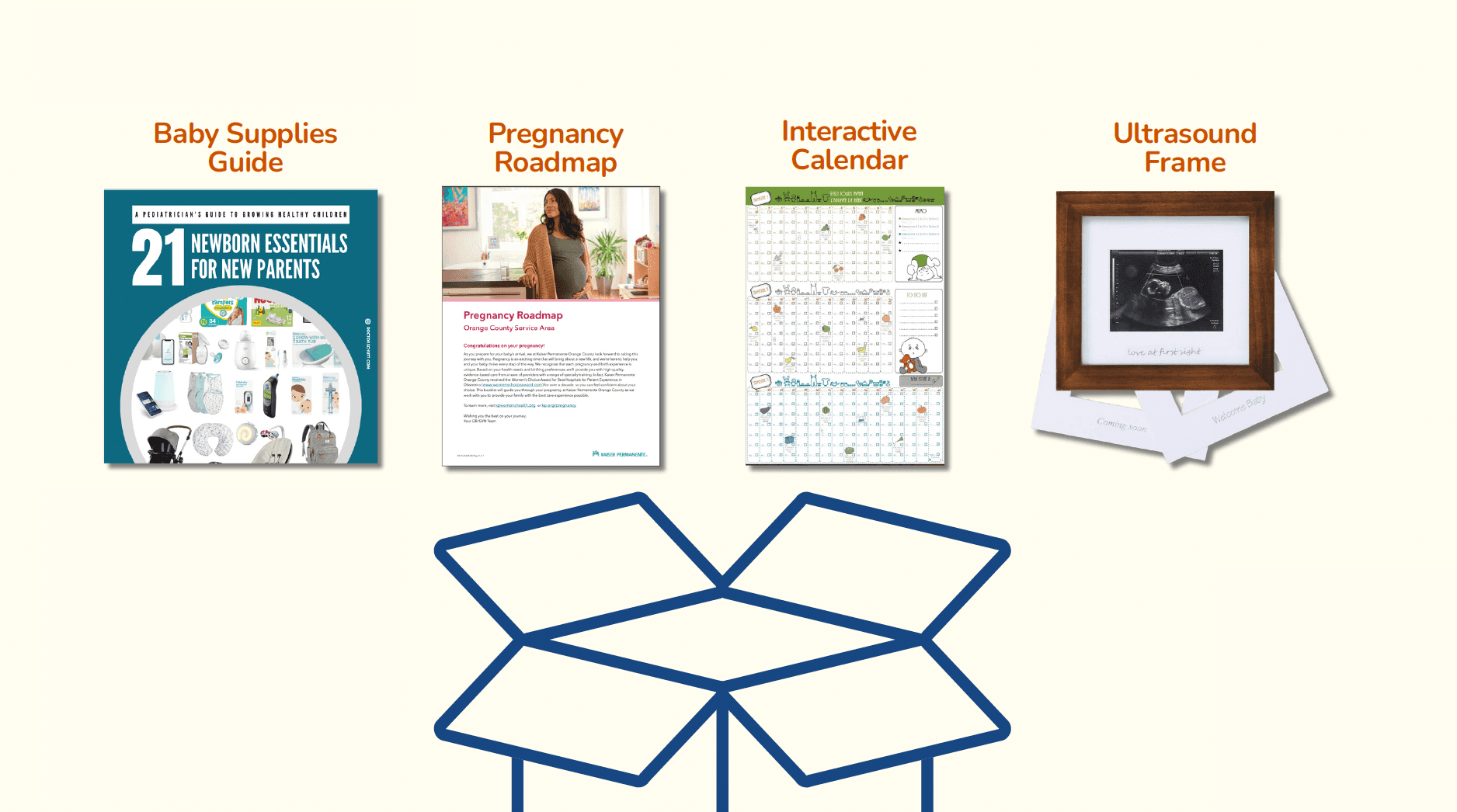
The Planning Pouch: 3rd Trimester

The Birthday Box: Postpartum

The service included a prenatal package, a planning pouch for late pregnancy, and a postpartum bundle with guides, checklists, support resources, and self-care materials. We also mapped how the service could work operationally through hospital partnerships, fulfillment support, and a phased pilot rollout model.
Next steps
If I were continuing this project, I would shift the service earlier in the pregnancy journey and build in more personalization for different care needs, risk levels, and support systems.
I’d also want to pilot the service with a hospital or birthing clinic to test how enrollment, distribution, and follow-up support work in a real care setting.